- USSD
- mobile basics
- South Africa
You have used USSD a hundred times. You probably never called it that. This guide explains the channel that quietly drives airtime top-ups, banking shortcuts and pin-code competitions across South Africa, the parts brand teams keep getting wrong, and where it still beats WhatsApp on reach.
How USSD works in practice
USSD is a real-time menu service that runs over the GSM signalling channel, not the data channel. You dial a string between a star and a hash, the operator routes it to whichever application owns that code, the application returns a text menu, you type a digit to navigate, and the session stays open while you interact.
A session is stateful and time-bound. Most network operators in South Africa cap it at 30 to 180 seconds by default, configurable. Pause too long and the session times out. That single design choice shapes everything about good USSD campaign design.
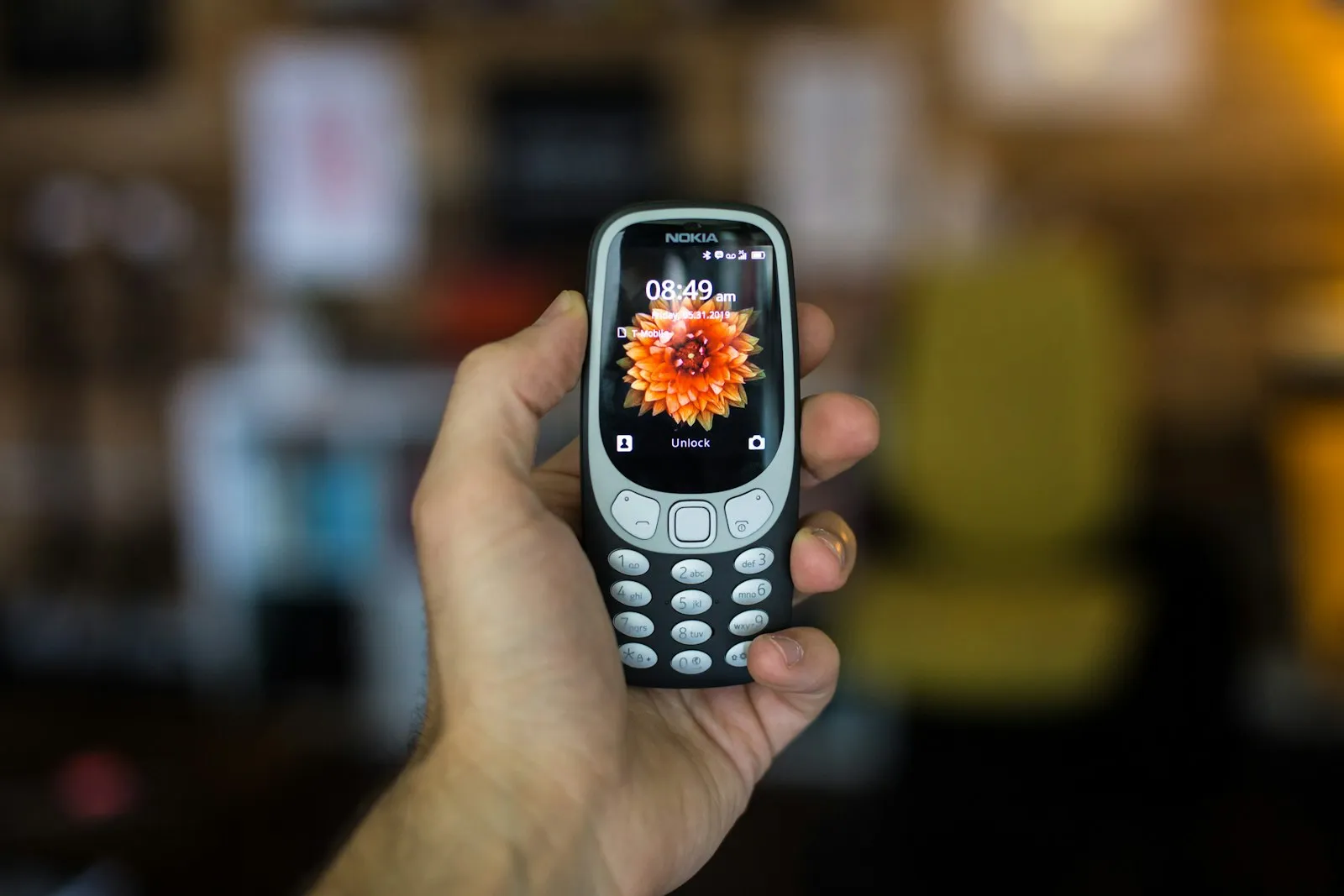
The reach part is what gets undersold. USSD works on every GSM handset ever made. A R150 Nokia from 2008. A Huawei Pocket WiFi 4G dongle that nobody remembered was a phone. A high-end Samsung. It also works without data balance and without a smartphone OS. As long as voice signal is available, USSD is available.
Vodacom commercialised USSD in South Africa in 2004. Two decades on, it is still the channel with the broadest handset reach in the country.
Why it still matters for marketing in 2026
USSD reaches the part of the South African consumer market that WhatsApp does not. The “everyone is on WhatsApp” argument is half-true. WhatsApp dominates active urban audiences. The other half of the market is different.
Picture a domestic worker who keeps a R150 feature phone for calls and SMS, and only buys data for the weekend. A pensioner who refuses to download apps. A taxi-rank vendor whose smartphone sits at home on Wi-Fi while she works. A farm worker in Limpopo on a Vodacom signal that does not reliably carry 4G. All four can dial 1201234# and complete a promotion entry in under a minute. None of them can be reliably reached by a click-to-WhatsApp flow.
For a national consumer promotion that needs the full LSM range, that gap is the campaign. Half the funnel is invisible if you only use WhatsApp.
If you want to discuss whether USSD belongs in your next consumer promotion, you can send us a brief and we will come back with mechanic options.
The other reason USSD still wins for promotions is funnel length. WhatsApp entry asks the consumer to tap a link, open a chat, type “ENTER”, wait for a template, and respond. USSD entry is two key presses on the dialler. For mass-volume mechanics where the brand wants 100,000 entries in two weeks, those extra steps matter.
What works well on USSD
USSD performs best for any interaction that fits inside seven menu screens and finishes in 90 seconds or less. Five mechanics consistently work in the South African market:
Promotional competitions. Pin codes on the back of a pack, till slip codes, weekly draws. The classic FMCG mechanic, and the one that still pulls the highest entry volumes.
Loyalty enrolment. Capturing name, ID number and product details in two minutes, without an app download or smartphone requirement.
Quick surveys. NPS polls, product feedback, audience research. Completion rates beat web forms because the consumer never leaves the dialler.
Live audience interaction. Radio call-in voting, reality TV votes, sports polls. The stateful session model fits “press 1 for A, 2 for B” perfectly.
Service activation. Buying airtime, topping up a wallet, claiming a voucher, opting in to alerts.
Things that work badly on USSD: anything needing rich media, anything taking more than two minutes, anything requiring photo upload, anything where the entry includes a long alphanumeric string.
Free-to-consumer vs premium-rated: which do you want
For brand-funded promotions, you want free-to-consumer almost every time. The brand absorbs the session cost paid to the network operator. The consumer dials for nothing. Entry friction collapses to two key presses and a willingness to participate.
Premium-rated USSD still exists. It is used for paid information services, opinion surveys with cash incentives, certain horoscope and dial-a-joke products. The Consumer Protection Act caps premium SMS at R1.50 per message, and analogous restrictions apply to billable USSD sessions through the WASPA Code of Conduct.
For consumer competitions, premium-rated is almost always the wrong answer. If you have been quoted a premium-rated mechanic for a brand promotion, ask why before agreeing.
What about WASPA and the CPA
Any USSD service running on a South African network operator’s infrastructure sits in WASPA’s regulatory scope by definition. WASPA is the self-regulatory body for Wireless Application Service Providers, and the four mobile networks (Vodacom, MTN, Cell C, Telkom Mobile) require WASPA membership before they will let your service onto their network.
Two clauses come up in nearly every promotional campaign:
The first is pricing disclosure. Any promotional material (a TV ad, an in-store poster, a flash on pack) must clearly display the cost-to-enter. For a free-to-consumer mechanic, this is the standard “Free to enter on all networks” line. Skipping this generates complaints to WASPA.
The second is records and audit. Entrant records have to be kept for the duration of the campaign and for a period after. Consumer Protection Act Regulation 11 adds its own three-year record-retention rule on top, covering the draw mechanism, terms and conditions, and winner notification.
If you run the campaign through a WASPA-registered partner, this paperwork is handled inside the service contract. If you run it in-house, you need a WASPA member as part of your delivery chain. The networks will not grant a USSD shortcode to an unregistered party.
How much does a USSD campaign cost
USSD costs land in three line items. First, the shortcode rental, paid monthly to your WASP, which is usually a few thousand rand per month depending on tier. Second, the per-session network cost, paid to each operator. For free-to-consumer mechanics, the brand absorbs this. Third, the management fee paid to the WASP for menu build, integration, reporting and reconciliation.
A typical fully-managed promotional USSD campaign for an SA brand starts around R40,000 and scales with volume and complexity. A weekly-draw mechanic with three menu screens and 50,000 entries is cheaper than a four-month always-on campaign with multi-prize tiers and weekly winner notifications.
Comparison to other channels matters for the budget conversation. Per entry, USSD tends to be cheaper than WhatsApp for high-volume short mechanics. WhatsApp tends to be cheaper for long-form conversational engagement where one Meta conversation covers multiple back-and-forth messages. The break-even is mechanic-specific.
What people get wrong
Three patterns we see often enough to call out by name.
The first is designing the menu for the marketing brief instead of the consumer. A nine-screen menu with branded copy on every screen feels right in a planning deck. In live deployment it loses 40% of entrants by screen four. Three screens is the right target. Five is the upper limit.
The second is leaving the session timeout at the default. Default network timeouts sit at 30 seconds. If your mechanic requires the consumer to find a pin code on the back of a pack, 30 seconds is not enough. Negotiate a longer timeout with the operator before launch. We typically push for 120 seconds on pin-code campaigns.
The third is treating the reporting as an afterthought. USSD generates a lot of data. Every session, every keypress, every drop-off, every completion. Brands that look at this data after the campaign find insights that would have changed the next campaign. Brands that only look at the final entry count miss them entirely.
Considering USSD for your next campaign?
If the mechanic in your brief touches the LSM 6 and below market, or runs through retail, USSD usually earns its place. Tell us the brand and the window.
When USSD is not the right answer
USSD is not a universal channel. If the mechanic is conversational, if it needs media attachments, if the audience is fully on smartphone, or if the entry requires long-form input, WhatsApp is the better fit. If the campaign is a one-way broadcast to an opted-in base, SMS is cheaper. USSD’s strength is mass-market two-way interaction across the full handset population. That is also its only strength. Use it where that strength matters.
Most national consumer promotions we run end up using two channels in combination. USSD handles the open-funnel entry mechanic. WhatsApp handles winner notification, prize fulfilment coordination and any conversational follow-up the brand wants. Each does the part it is good at.
What this means for your next brief
If your next consumer promotion needs the full LSM range and you want entries from people who do not have an active smartphone in their hand, USSD belongs in the channel mix. If it does not need that audience, WhatsApp alone may be enough.
The question worth asking inside your team is whether the LSM 7-and-below segment matters for the specific brand and the specific objective. If the answer is yes, the brief needs USSD as a primary channel from the start, not as a fallback you bolt on later.
Want a second pair of eyes on a USSD brief?
Send us the objective and the budget window. We will come back with a mechanic recommendation, a network-cost estimate and the typical entry volume you can plan around.